
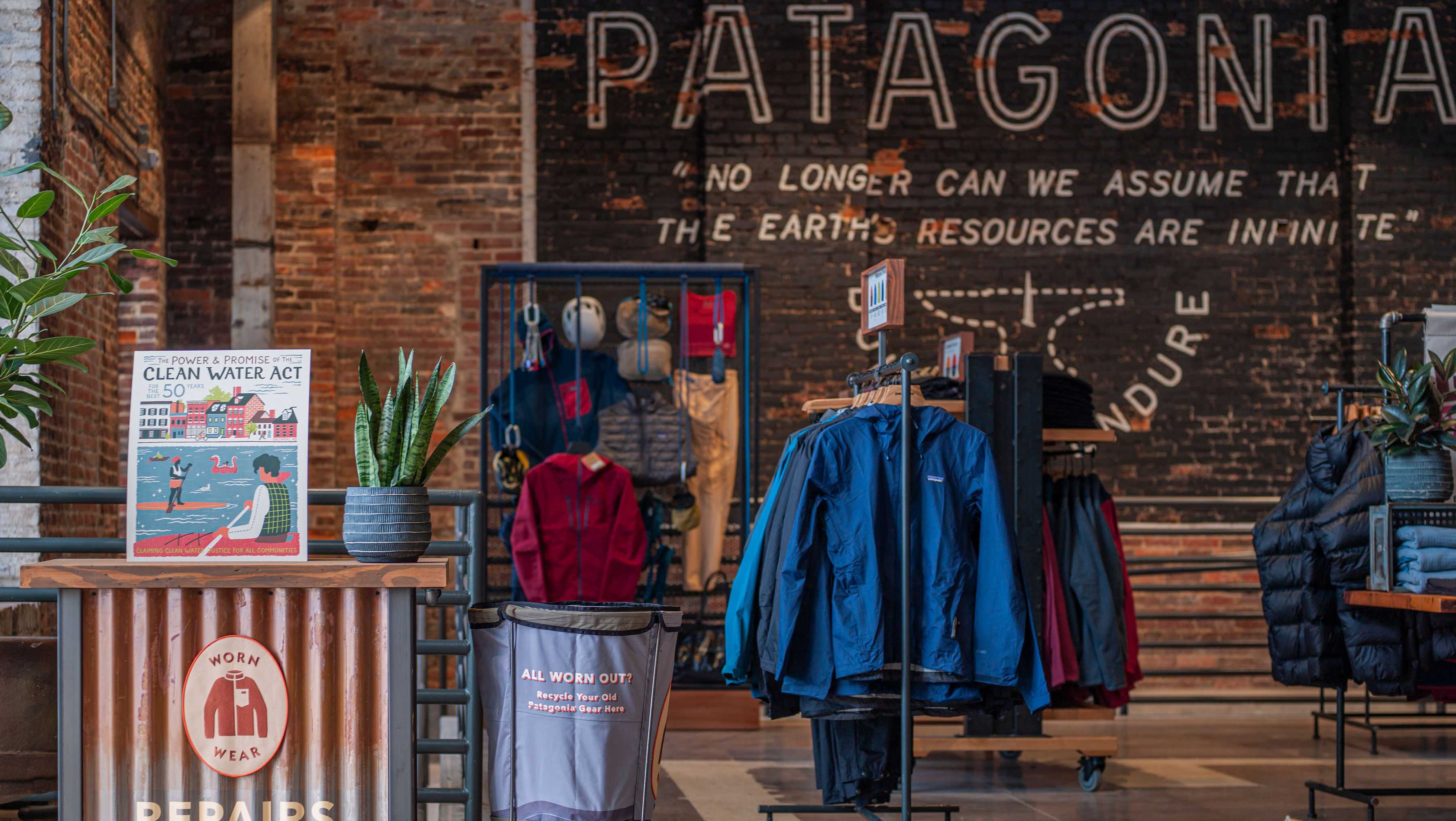
Selecting the perfect jacket is a critical decision for any outdoor enthusiast, impacting comfort, safety, and enjoyment. A 2026 review of Patagonia’s lineup reaffirms the brand’s premier status, highlighting a powerful synergy between cutting-edge performance and unwavering environmental responsibility. Modern Patagonia jackets are engineered with advanced recycled fabrics, environmentally safe DWR (Durable Water Repellent) coatings free from perfluorinated chemicals (PFCs), and a significant portion are constructed in Fair Trade Certified™ factories, ensuring ethical labor practices. This commitment extends beyond materials to a holistic design philosophy, creating garments that deliver exceptional performance across a spectrum of weather conditions and demanding activities, from alpine ascents to urban commutes.
Core Principles for Selection
-
Eco-Conscious Engineering as Standard: Patagonia integrates planetary health into core design. Choosing a Patagonia jacket means selecting recycled materials, PFC-free weather protection, and supporting ethical manufacturing, making it the definitive choice for the environmentally aware adventurer.
-
Activity and Climate Dictate Choice: Optimal performance requires matching the jacket to the mission. High-output winter sports demand breathable, waterproof hardshells, while static cold scenarios call for efficient insulation. Understanding your primary use case is the first step toward the right garment.
-
A Specialized Jacket for Every Scenario: Patagonia’s strength lies in its extensive, purpose-built range. The versatile Nano Puff serves as a quintessential all-around insulating layer, while the formidable Fitz Roy Down Hoody is engineered for severe alpine cold. There is a meticulously designed solution for every conceivable adventure.
Top-Tier Performers for General Outdoor Pursuits
For the multifaceted adventurer who traverses diverse landscapes, a reliable, adaptable jacket is non-negotiable. Patagonia excels in creating pieces that blend technical performance with practical comfort for hiking, climbing, and backpacking.
1. Patagonia Nano Puff® Jacket
A cornerstone of synthetic insulation, the Nano Puff remains a premier choice for unpredictable conditions. Its legendary 60-g PrimaLoft® Gold Insulation Eco (made with 55% post-consumer recycled content) provides reliable warmth that persists even when damp. The shell and lining are crafted from 100% recycled polyester, featuring a PFC-free DWR finish for light weather resistance. Remarkably packable into its own chest pocket, it serves as an ideal backup layer or standalone piece for cool, breezy days.
Performance Snapshot:
| Category | Rating (Out of 5) | Notes |
|---|---|---|
| Versatility | ★★★★★ | Excels as a mid-layer under a shell or alone in dry cold. |
| Packability | ★★★★★ | Compresses to a fraction of its size with minimal weight. |
| Weather Resistance | ★★★☆☆ | Shields against wind and light precipitation; not a rain jacket. |
| Durability | ★★★★☆ | Robust face fabric resists abrasion from pack straps. |
2. Patagonia Torrentshell 3L Rain Jacket
For dedicated wet-weather protection, the Torrentshell 3L is a benchmark of value and performance. Its 3-layer H2No® Performance Standard shell (100% recycled nylon) is fully waterproof and highly breathable. A PFC-free DWR finish causes water to bead and roll off. Practical features include pit-zip vents for rapid heat dump, a stowable hood, and a self-stowing stuff pocket. It represents the optimal balance of protection, packability, and price for enduring storms on the trail.
Technical Highlights: Waterproof rating exceeds 20,000mm; critically taped seams prevent leakage; bluesign® approved materials ensure reduced environmental impact.
3. Patagonia R1® Air Full-Zip Hoody
Redefining active insulation, the R1 Air is engineered for high-output endeavors in cool-to-cold conditions. Its unique 3D-lofted, diamond-grid polyester fabric is exceptionally breathable and moisture-wicking, trapping warm air while allowing sweat vapor to escape efficiently. The targeted grid design provides stretch and freedom of movement, making it perfect for climbing, ski touring, or fast-paced hiking where overheating is a concern. It serves as a superior standalone piece or a dynamic base/mid-layer in a comprehensive layering system.
Engineered for Winter Sports Dominance
Conquering snowy mountains requires jackets that seamlessly integrate waterproofing, breathability, durability, and thoughtful features for ski and snowboard-specific use.
1. Patagonia SnowDrifter™ Jacket
Built for resort skiing and all-mountain exploration, the SnowDrifter features a robust 3-layer H2No® Performance Standard shell with a recycled face fabric. It includes a helmet-compatible, powder-skirt-compatible hood, a goggle pocket on the sleeve, and multiple secure storage options. The emphasis is on durable, weatherproof protection with features that enhance the skiing experience, such as wrist gaiters and pass-pocket compatibility.
2. Patagonia Powder Bowl Jacket
Utilizing premium GORE-TEX 3L fabric, the Powder Bowl offers top-tier, guaranteed waterproof and windproof protection with exceptional breathability. Designed for deep days and variable backcountry conditions, it combines a relaxed fit for layering with snow-sport-specific tailoring. Features like a powder skirt, RECCO® reflector, and ample, intelligently placed pockets make it a backcountry-ready workhorse trusted in severe conditions.
3. Patagonia StormShift™ Jacket
Representing the pinnacle of Patagonia’s eco-technical innovation for winter, the StormShift uses a 2-layer GORE-TEX ePE membrane. This next-generation material delivers the proven performance of GORE-TEX while utilizing a plant-based membrane, eliminating traditional fluorocarbons. Paired with a tough, recycled nylon face fabric, it’s built for extreme environments where maximum protection and environmental ethos are equally prioritized. It’s the choice for the environmentally conscious professional or dedicated enthusiast facing the harshest elements.
Versatile Options for Everyday and Urban Exploration
Patagonia’s design expertise translates seamlessly to casual and urban environments, offering styles that are both technically competent and aesthetically refined.
1. Patagonia Down Sweater® Hoody
A modern classic, the Down Sweater combines everyday style with serious warmth. Its 800-fill-power Responsible Down Standard (RDS) certified goose down offers an excellent warmth-to-weight ratio. The shell and lining are made from 100% recycled, lightweight nylon with a PFC-free DWR finish, providing light weather resistance. Its simple, clean design, generous handwarmer pockets, and packability make it an indispensable layer for travel, commuting, and casual outdoor use.
2. Patagonia Better Sweater® Fleece Jacket
Beloved for its comfort and familiar aesthetic, the Better Sweater is a high-pile, patterned fleece made from 100% recycled polyester. It offers substantial warmth, a soft brushed-back interior, and a durable, sweater-like face. Features like a stand-up collar, full-length zipper, and secure pockets make it a versatile, go-to layer for cool days, office settings, or casual weekend wear, bridging the gap between technical gear and mainstream comfort.
3. Patagonia Tres® 3-in-1 Parka
The ultimate in versatile, all-weather protection for urban and suburban life, the Tres Parka is a modular system. It consists of a waterproof, breathable shell jacket and a separate insulated liner (featuring 700-fill-power RDS down or recycled PrimaLoft® synthetic). Worn together, they provide fortress-like protection from winter storms. Worn separately, they offer a spring/fall shell and a lightweight insulated jacket, respectively. This adaptability across three seasons makes it a highly practical and sustainable long-term investment.
Ultralight and Packable Essentials
For the weight-conscious traveler, backpacker, or fast-and-light adventurer, minimizing bulk without sacrificing utility is paramount.
1. Patagonia Houdini® Jacket
An industry benchmark in minimalist weather protection, the Houdini is an ultra-lightweight (approx. 3.7 oz) wind jacket with a DWR finish. Its 100% recycled nylon ripstop fabric provides exceptional wind resistance and sheds light drizzle. It packs into its own chest pocket smaller than a baseball, making it an always-present emergency layer for unpredictable mountain weather, running, or travel. Its simplicity and negligible weight are its greatest assets.
2. Patagonia Micro Puff® Hoody
Pushing the boundaries of synthetic insulation technology, the Micro Puff uses Patagonia’s proprietary PlumaFill insulation, designed to mimic the lofty, high warmth-to-weight ratio of down while maintaining performance when wet. The result is a supremely packable, incredibly warm jacket that weighs mere ounces. With a 100% recycled shell and PFC-free DWR finish, it is the premium choice for alpine climbers, backpackers, and anyone seeking maximum warmth for minimal pack space and weight.
Defenders Against Extreme Cold
When temperatures plummet and conditions become severe, specialized insulation is required to maintain safety and comfort.
1. Patagonia Fitz Roy Down Hoody®
Named for the iconic peak in Patagonia, this jacket is built for high-altitude and severe cold. It utilizes high-loft 800-fill-power RDS down for maximum heat retention. A durable, weather-resistant Pertex® Quantum shell (with PFC-free DWR) shields the insulation, while features like a helmet-compatible hood, draft-free front zipper flap, and ample pocketing cater to the needs of alpinists and winter campers. It represents the optimal balance of minimal weight and maximal warmth for static or low-output scenarios in deep cold.
2. Patagonia Stormshadow Parka
For expedition-level conditions or prolonged exposure in extreme cold, the Stormshadow Parka offers formidable protection. It combines a highly weather-resistant, durable outer shell with a substantial amount of 700-fill-power RDS down insulation, often distributed strategically with more in the core and less in the arms for mobility. Longer length, a robust insulated hood, and multiple adjustment points lock in heat, making it suitable for ice climbing, polar travel, or standing still in the most frigid environments.
Analytical Comparison: Top Patagonia Jackets at a Glance
A side-by-side overview clarifies the specialization within the lineup, aiding in the decision-making process.
| Jacket Model | Primary Use | Key Technology | Insulation Type | Best For | Approx. Weight |
|---|---|---|---|---|---|
| Nano Puff | All-Round Insulation | PrimaLoft® Gold Eco | Synthetic | Versatile layering, damp climates | 12 oz |
| Torrentshell 3L | Rain Protection | 3L H2No® | None | Hiking, backpacking in wet weather | 13 oz |
| R1 Air | Active Insulation | Grided Polyester | None (Fleece) | High-output activity in cool temps | 11 oz |
| SnowDrifter | Resort Skiing | 3L H2No® | None (Can be layered) | All-mountain skiing, snowboarding | 21 oz |
| Down Sweater | Everyday Warmth | 800-Fill RDS Down | Down | Urban wear, travel, casual use | 14 oz |
| Micro Puff | Ultralight Warmth | PlumaFill | Synthetic | Alpine climbing, ultralight backpacking | 10 oz |
| Fitz Roy | Severe Cold | 800-Fill RDS Down | Down | Mountaineering, winter camping | 19 oz |
Definitive Buyer’s Guide: Selecting Your Perfect Patagonia Jacket
Navigate the extensive collection with a systematic approach focused on three core questions.
1. What is Your Primary Activity?
-
High-Output & Variable Weather (Ski Touring, Fast-Packing): Prioritize breathability and moisture management. Start with a base layer (like Capilene®), add an R1 Air for active insulation, and top with a breathable hardshell like the StormShift for precipitation.
-
Static or Intermittent Activity (Camping, Commuting, Resort Skiing): Prioritize warmth retention. Insulated jackets like the Nano Puff, Down Sweater, or Fitz Roy are ideal, potentially layered under a shell in wet conditions.
-
Dedicated Wet Weather (Hiking, Fishing): Waterproofness is key. A dedicated, breathable rain jacket like the Torrentshell 3L is essential.
2. What Are the Environmental Conditions?
-
Cold & Dry: Down insulation (Down Sweater, Fitz Roy) provides the best warmth-to-weight ratio.
-
Cold & Damp/Wet: Synthetic insulation (Nano Puff, Micro Puff) maintains warmth when moist and dries faster.
-
Windy: A wind-resistant shell or insulated jacket with a tight weave is crucial (Houdini, Nano Puff).
-
Rain/Snow: A waterproof/breathable hardshell with taped seams (Torrentshell, StormShift) is non-negotiable.
3. What Are Your Personal Priorities?
-
Fit: Patagonia offers Regular, Slim, and Relaxed fits. Consider layering needs; a mid-layer should fit comfortably under a shell.
-
Sustainability: All jackets use recycled materials; for the highest eco-standard, look for Fair Trade Certified™ sewn models and specific PFC-free technologies (e.g., GORE-TEX ePE).
-
Investment vs. Value: Iconic pieces like the Nano Puff and Torrentshell offer exceptional long-term value. Cutting-edge technologies like those in the StormShift or Micro Puff command a premium for their specialized performance and material innovation.
Conclusion: An Investment in Performance and Principle
Choosing a Patagonia jacket in 2026 transcends a simple gear purchase; it is an investment in a philosophy. You are acquiring a tool born from decades of design refinement, built to endure the most demanding environments, and constructed with a profound responsibility toward the planet and its people. From the featherweight Houdini stashed for an emergency gust to the formidable Fitz Roy guarding against a Himalayan gale, each garment is a testament to the belief that the highest-performing gear can and must be made ethically and sustainably. By carefully aligning your specific needs—activity, climate, and personal values—with the specialized offerings in this lineup, you secure more than just protection from the elements. You gain a reliable partner for your adventures and participate in a model of conscientious consumption, ensuring that the wild places you explore are preserved for generations to come.
Frequently Asked Questions (FAQ)
What makes Patagonia jackets environmentally friendly?
Patagonia leads in sustainable practices by using high percentages of recycled materials (polyester, nylon, down), pioneering PFC-free DWR finishes to eliminate harmful chemicals, and manufacturing a growing range of products in Fair Trade Certified™ factories. Their Worn Wear program promotes repair and reuse, extending garment lifecycles.
How should I properly care for and clean my Patagonia jacket?
Always follow the specific care label. Generally, wash on cold with a technical, non-detergent soap (like Nikwax Tech Wash®), rinse thoroughly, and tumble dry on low to reactivate the DWR coating. Avoid fabric softeners and ironing. For down jackets, ensure complete drying to prevent clumping.
Are Patagonia jackets worth the premium price?
Yes, when evaluated as a long-term investment. The combination of durable materials, timeless design, exceptional performance, and industry-leading sustainability creates value beyond the initial cost. Their ironclad warranty and repair services further enhance longevity, making them a cost-effective and responsible choice over time.